Cessna Nose Gear Strut Assembly: Aircraft Ground Handling and Structural Component
Cessna Nose Gear Strut Assembly: Aircraft Ground Handling and Structural Component
Blog Article
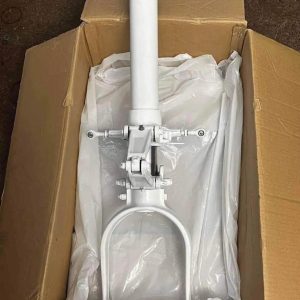
The Cessna Nose Gear Strut Assembly provides structural support, shock-management capability, and ground-handling stability for an appropriately verified Cessna aircraft installation.
The Cessna Nose Aircraft Landing Gear Strut Strut may provide shock absorption and structural support, but actual functions depend on the complete assembly and aircraft configuration.
The Cessna Front Landing Gear Assembly, Aircraft Nose Gear Strut, Aircraft Nose Landing Gear Assembly, and Cessna Shock Strut Assembly terms describe related ground-support and impact-management components.
These related terms help connect the product with aircraft owners, maintenance facilities, restorers, and general aviation parts buyers.
A Cessna Replacement Nose Gear should correspond with the receiving aircraft’s approved configuration rather than being selected through appearance alone.
Why Exact Landing Gear Identification Matters
The assembly should be identified through its Cessna part number, casting or forging numbers, serial markings, aircraft applicability, dimensions, configuration, photographs, maintenance records, and available illustrated-parts information.
The buyer should determine whether the listing includes a complete Cessna Nose Gear Assembly or only selected parts of the system.
Managing Taxi and Landing Forces
The nose gear supports a portion of the aircraft’s ground weight and transfers loads into designated airframe attachment points.
Professional structural review protects the aircraft and the Replacement Nose Gear installation.
Evaluating Strut Extension and Movement
A shock strut is designed to compress and extend in a controlled manner as the aircraft encounters landing and ground loads.
Servicing values should come from applicable maintenance information rather than estimates based on another Cessna model.
Evaluating Ground Steering Geometry
The nose gear may interact with the aircraft steering system through collars, torque links, rods, springs, cables, stops, bushings, or other model-specific mechanisms.
Excessive turning can damage linkage, hoses, fairings, fork components, or internal strut features depending on the design.
Matching the Strut to a Specific Cessna Aircraft
The buyer should compare the offered unit with current illustrated-parts, maintenance, and installation information.
Cross-reference information should be verified carefully and should include any required supersedures or installation changes.
Inspecting for Scoring, Pitting, and Wear
Sliding and sealing surfaces must remain within acceptable condition because defects can damage seals and contribute to leakage or sticking.
Qualified inspection protects the long-term value of the Cessna Landing Gear Strut.
Understanding Strut Seal Maintenance
A small film of fluid and an active leak should be distinguished using applicable maintenance guidance.
Professional service supports reliable shock absorption and reduced maintenance recurrence.
Identifying Surface and Hidden Corrosion
Complete corrosion inspection supports responsible General Aviation Landing Gear Parts purchasing.
Responsible preservation helps maintain the Cessna Nose Gear Assembly.
Determining the Need for Nondestructive Testing
High-stress areas can include attachment points, fork transitions, axle regions, steering features, torque-link mounts, and previous repair locations.
A damaged assembly may also indicate concerns in the surrounding airframe structure.
Maintaining Wheel and Tire Geometry
Fork alignment influences wheel tracking, steering response, tire wear, and clearance around fairings or nearby components.
Incorrect wheel spacing or fork alignment can create uneven loading and interference.
Inspecting Landing Gear Articulation Components
Torque links and related pivot components help maintain alignment between moving portions of many nose gear strut designs.
System-level maintenance protects the Aircraft Nose Landing Gear Assembly.
Evaluating Wheel Alignment and Steering Play
Nose-wheel shimmy can result from worn bushings, loose torque links, tire imbalance, wheel-bearing play, incorrect tire pressure, steering looseness, alignment issues, or structural wear.
Professional evaluation promotes smoother ground handling and longer component life.
Fluid and Pressure Maintenance
Incorrect fluid, contamination, trapped air, overpressure, or underpressure can affect extension, damping, leakage, ground clearance, and structural loading.
Repeated pressure loss should prompt leak investigation rather than continual inflation.
Rebuilding a Cessna Nose Gear Strut
A seal replacement or exterior repaint does not necessarily constitute a complete overhaul.
Unauthorized welding, straightening, plating, machining, or hole enlargement can affect future eligibility.
Buying a Cessna Nose Gear Strut Assembly
The buyer should obtain enough information for a qualified aviation maintenance professional to evaluate the assembly.
- Confirm the complete Cessna part number, dash number, serial or casting markings, aircraft model, serial-range applicability, strut type, dimensions, and configuration.
- Arrange qualified landing-gear evaluation whenever structural condition, dimensions, repair history, compatibility, or documentation remains uncertain.
- Report shipping damage, missing components, identification differences, undisclosed repairs, corrosion, leakage, or dimensional concerns promptly.
Safe Freight Handling Procedures
Loose hardware should be labeled, wrapped, and secured separately.
Forks and mounting features should not be used as uncontrolled lifting points unless approved for handling.
Storage and Preservation Before Installation
During storage, the strut should remain clean, dry, supported, labeled, and protected from impact, moisture, chemicals, dust, and uncontrolled handling.
Organized storage supports the commercial value of General Aviation Landing Gear Parts.
Completing Wheel and Strut Alignment
The technician should verify the part number, aircraft applicability, mounting points, dimensions, hardware, steering links, torque components, wheel fork, axle, and servicing requirements.
Fasteners should be installed, tightened, secured, and documented according to applicable procedures.
Taxi checks should begin conservatively and should monitor shimmy, pulling, vibration, abnormal noise, leakage, and steering behavior.
Caring for the Strut, Fork, and Steering System
Cleaning should remove dirt and contaminants without damaging seals, polished surfaces, protective coatings, or identification markings.
Recurring concerns should prompt system-level evaluation rather than repeated isolated adjustments.
Buying a Replacement Landing Gear Strut
A recent professional inspection or overhaul can add value when the scope, findings, measurements, and replaced parts are documented accurately.
Availability of technical information, replacement parts, and qualified maintenance support can influence long-term value.
Buying a Replacement Cessna Front Gear Assembly
The Cessna Nose Gear Strut Assembly can provide valuable replacement, restoration, overhaul, maintenance, inventory, or resale potential when its identity, configuration, condition, completeness, and aircraft applicability are verified.
Buyers should request current photographs, accurate measurements, transparent condition information, professional inspection details, protected freight arrangements, secure transaction terms, and qualified maintenance review.
Whether buyers need a Cessna Front Landing Gear Assembly, Aircraft Nose Gear Strut, Aircraft Nose Landing Gear Assembly, or Cessna Shock Strut Assembly, current physical condition should be verified.
With complete evaluation and continued care, the Cessna Nose Gear Strut Assembly can deliver a professional combination of structural support, shock absorption, steering stability, replacement value, and general aviation application potential.
Report this page